Table of Contents
Grief is a complex procedure that differs from person to individual. The 5 stages of grief denial, anger, negotiating, depression, and acceptance are a practical structure for considering despair, yet it doesn't imply we'll go with every stage. Likewise, we can experience these aspects of despair at various times, and they don't occur in one specific order.

This site makes use of cookies to help personalise content, customize your experience and to maintain you visited if you sign up. By remaining to utilize this website, you are consenting to our use cookies.
The 7 phases of despair are a template for just how an individual might regret. This cyclical framework is suggested to aid you much better recognize your sensations and is not intended to suggest just how you need to regret, what you ought to be sensation, or in which order. Everybody grieves differently. Each stage may come and go or overlap the others.
If you would love to find out more about your specific grieving process, it's an excellent concept to connect to a relied on mental wellness specialist to recognize on your own better and create appropriate coping techniques. Discover a lot more about the seven phases of sorrow. Pain can be a difficult and untidy procedure. When a loss takes place, among the initial things you might experience is shock.
The Link Between Early Wounds and Excellence-Seeking
That's due to the fact that nobody can ever before be really prepared for a loss so substantial. When you are in shock after a loss, you may behave generally or as if nothing has taken place. Most of the time, this is due to the fact that your body has actually not refined the loss. You might really feel like the circumstance hasn't "sunk in" simply.
These sensations and experiences are self-protective systems that work as a barrier so that you are not bewildered at one time. Because the death of an enjoyed one can have such a considerable effect on you, you might experience denial. During this phase of grief, it is simply too difficult for your brain to comprehend that your member of the family, buddy, or various other liked one is gone.
As you slowly start to approve the loss and what it means for your life currently, your rejection will start to diminish. You may have a wider variety of sensations and feelings when rejection subsides. Up until after that, you might have periods when you feel troubled, which can be triggered by suggestions of your loved one.

In many cases, it's a typical feeling to want to prevent others to make sure that you do not need to acknowledge or review your loss. In some cases, you feel forgetful, get easily sidetracked, or procrastinate throughout this stage of grief. You may additionally try to stay busy regularly or closed down psychologically.
Core Self vs. Performance: Reclaiming Your Real Path Through IFS in Your Journey
In specific scenarios, you could likewise really feel mad with the doctor, your good friends, family participants, God, or any kind of various other soul(s) you rely on. But under all that anger is your discomfort. While it may be uneasy to deal with, it supplies extra framework to your grieving than remaining numb.
Throughout this stage, people usually really feel helpless and helpless and ask themselves "suppose" concerns. You may feel guilty for not doing more to keep the loss from occurring or for not spending even more time with the individual you lost. During the bargaining phase, it prevails to wonder or state, "I need to have done this ..." or "If I had only done that ..." While these types of questions are normal, they are not where you want your mind to remain.
Managing Elite Performance in the context of Depression
It might likewise be valuable to do something certain, like compose a letter to your liked one or chat to them out loud. As soon as you come to terms with the fact of the loss, a much deeper degree of unhappiness may begin to creep in.
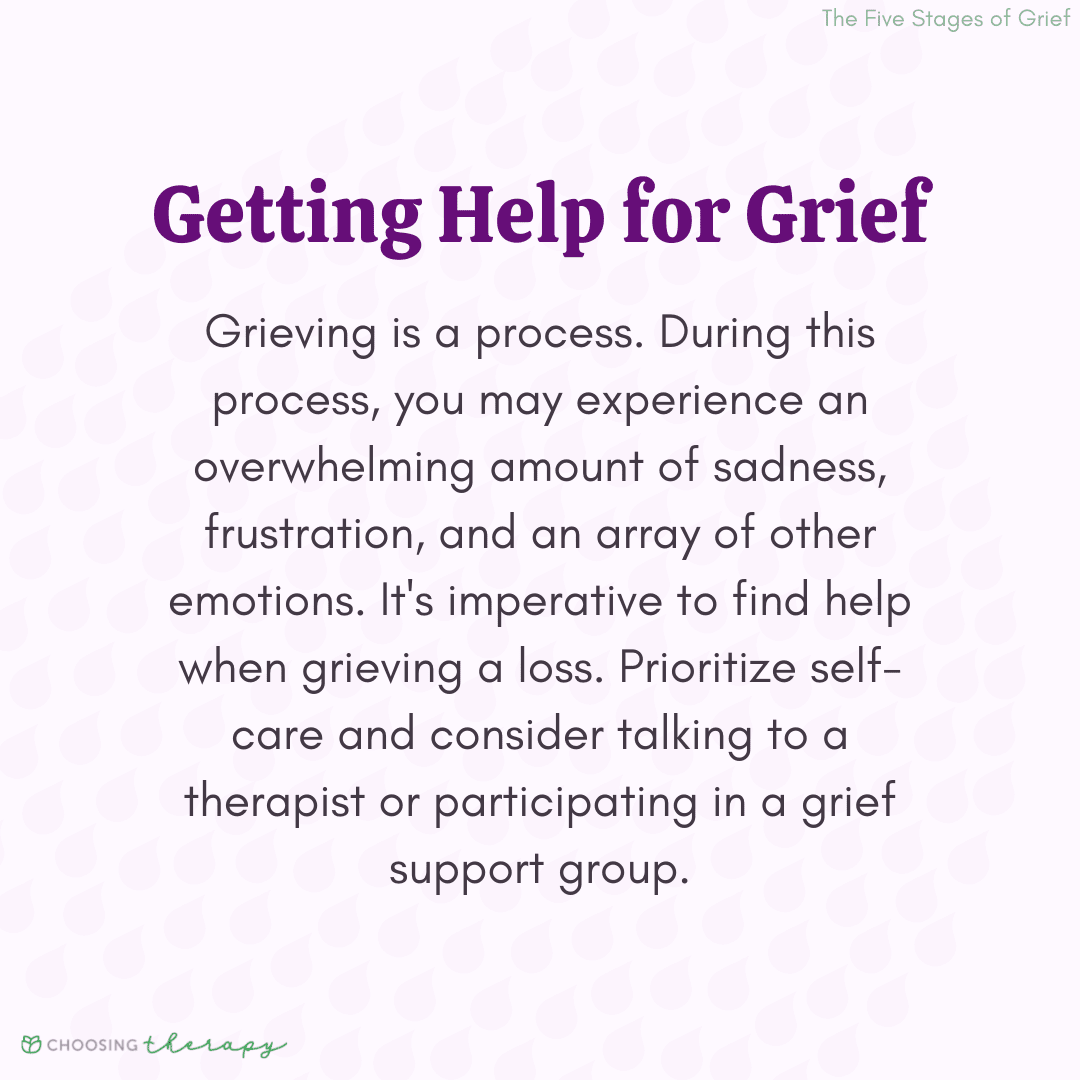
You can additionally visit for a checklist of added sources or call the number below to reach Chemical abuse and Mental Health Services Management (SAMHSA) hotline. The testing stage of the mourning process usually entails checking out different things that help you move on. In this stage, you are starting to build your new regular along with refining your feelings and emotions developed by the loss.
Reaching the acceptance stage does not suggest you are alright with what happened. Rather, this part of the mourning procedure is extra regarding approving what your life resembles now. You will certainly still need to pay attention to your feelings and readjust, however you will certainly begin to really feel even more wholeeven if it looks various than it did in the past.

Table of Contents
Latest Posts
Understanding Path of Healing Through Therapy for Grief and Loss
Success With Marriage Therapy Transforms Emotional Disconnection With Expert Singapore Therapists
When Anxious Feelings Presents Uniquely in ADHD Minds
Navigation
Latest Posts
Understanding Path of Healing Through Therapy for Grief and Loss
Success With Marriage Therapy Transforms Emotional Disconnection With Expert Singapore Therapists
When Anxious Feelings Presents Uniquely in ADHD Minds